Wondering if it’s finally time to trade your current home for something that fits your life better? If you live in Dunwoody, that question is more common than you might think. Whether you need more space, a different layout, or a better day-to-day fit, a move-up decision involves more than just buying a bigger house. This guide will help you think through timing, budget, neighborhood options, and the sell-before-you-buy question so you can move forward with clarity. Let’s dive in.
Why move-up buyers look at Dunwoody
Dunwoody has long appealed to homeowners who want space, established neighborhoods, and a strong suburban feel close to Atlanta. The city describes many of its neighborhoods as roughly 50-year-old areas with spacious homes, large lots, and many swim-and-tennis communities. It also notes that newer condos, cluster homes, and live-work-play options have expanded the housing mix.
That mix matters when you are moving up. You may not just be looking for more square footage. You may also want a different lifestyle, better walkability, or a home that fits the way your household lives now.
Dunwoody’s community profile also helps explain why many owners consider a move-up purchase here. Census data shows a 2024 population estimate of 51,795, a median household income of $121,903, an owner-occupied housing rate of 56.2%, and a median owner-occupied home value of $602,900. The city also has a relatively high share of residents under 18, at 24.6%.
What a move-up really means
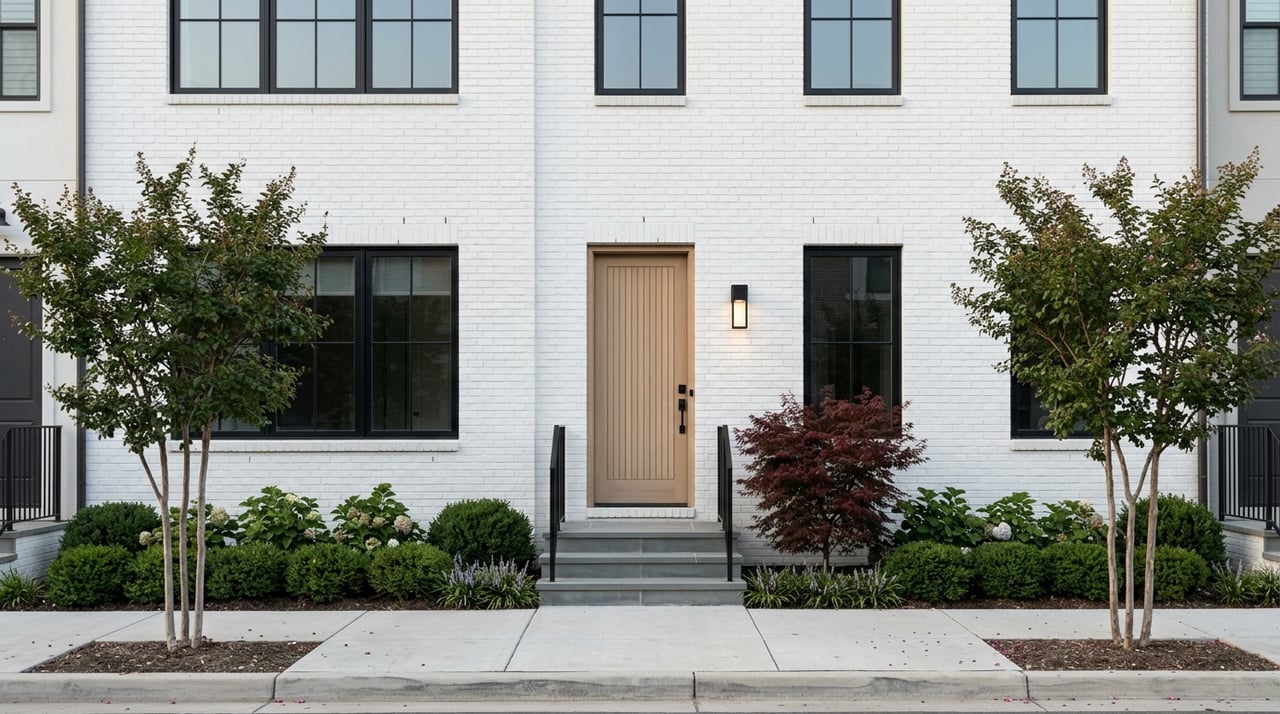
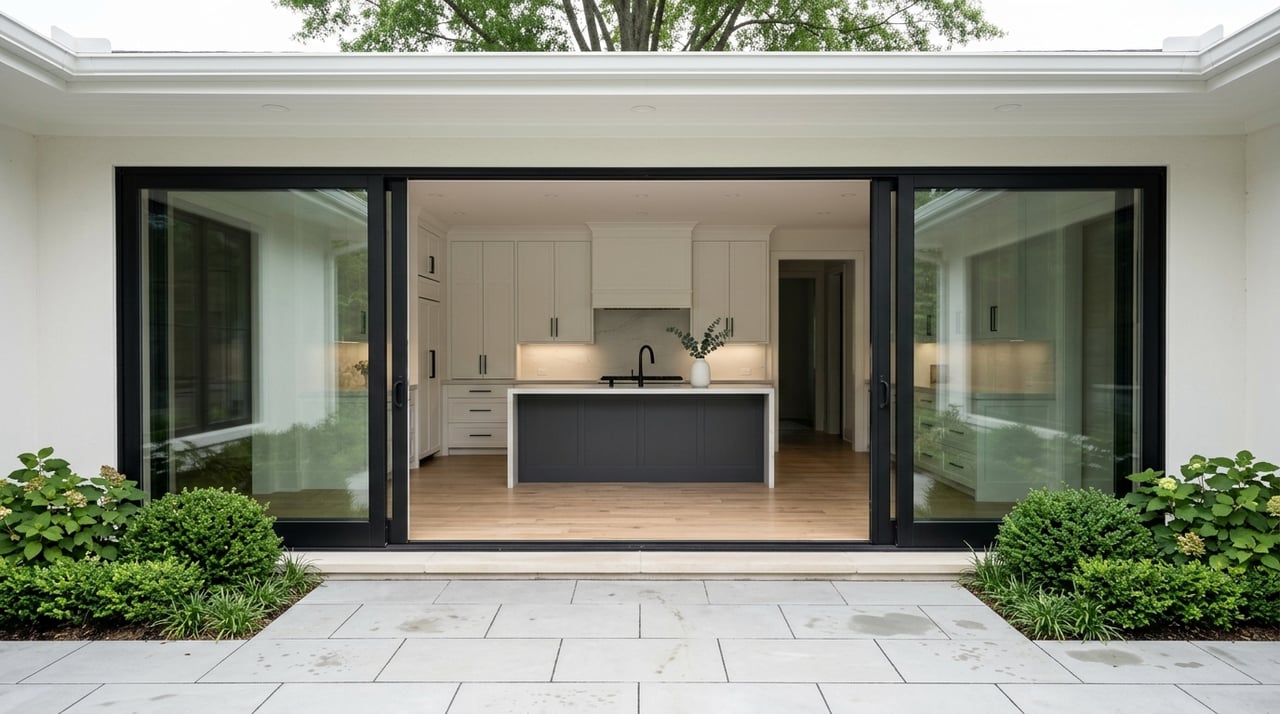
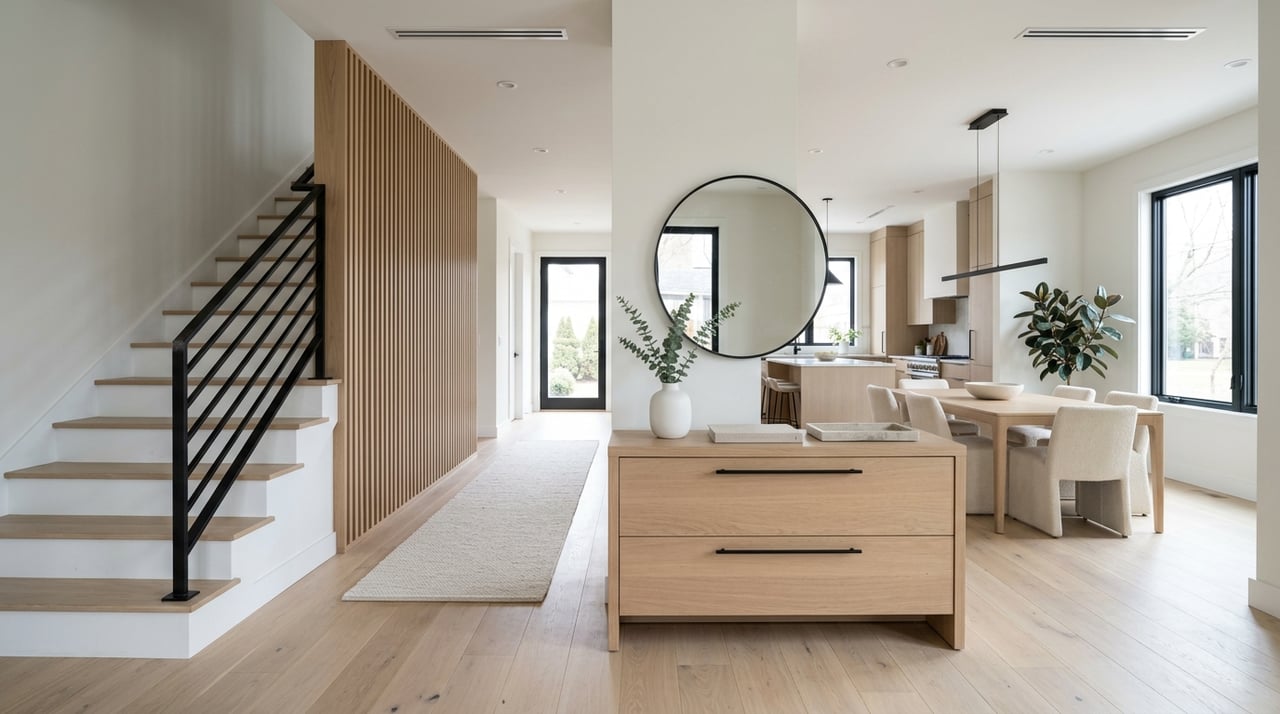
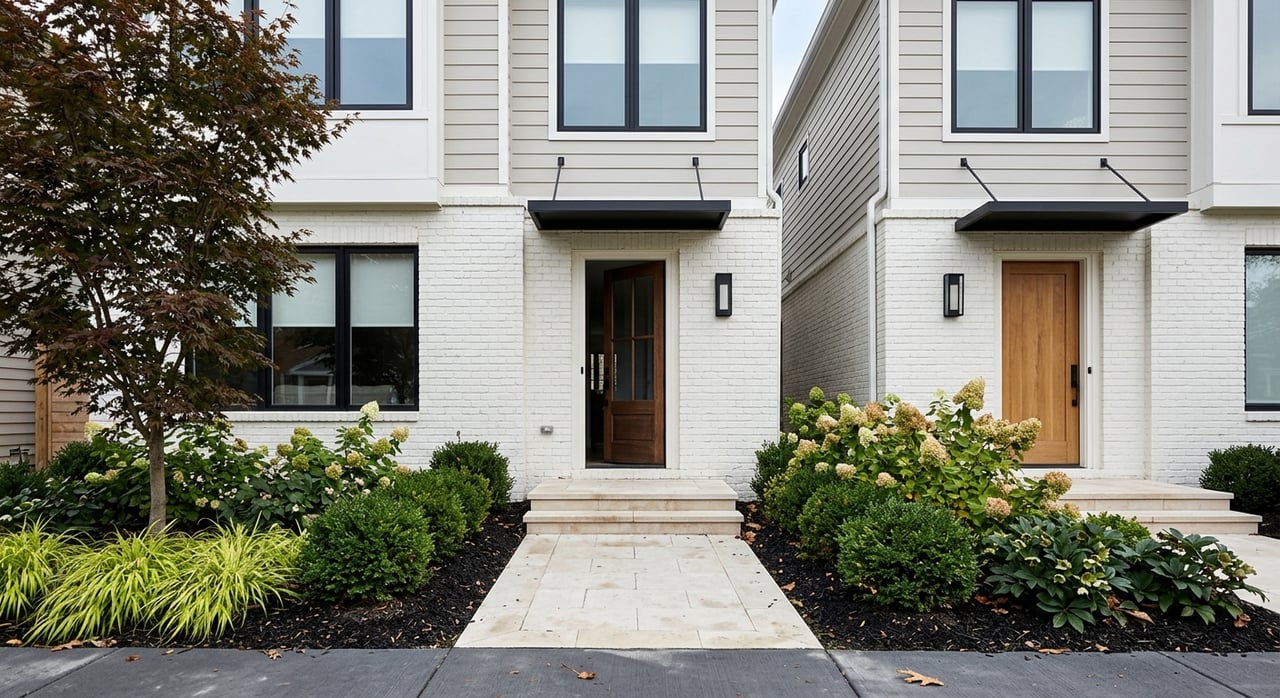
A move-up home is not always a larger version of what you already own. Sometimes it means more functional space, a better lot, a different neighborhood setting, or a layout that works better for your current stage of life. In Dunwoody, that could mean shifting from a smaller older home into a renovated traditional property, or from a townhome or condo into a single-family home with more indoor and outdoor space.
The city’s long-range planning also shows why this choice can feel layered. Residents have expressed interest in more housing types, a walkable Downtown Dunwoody, stronger local centers like Dunwoody Village, and preserving neighborhood character and greenspace. In other words, your next home may be just as much about location and daily routine as it is about bedrooms and bathrooms.
Dunwoody market timing right now
If you are trying to figure out whether now is the right time, the local numbers suggest a market that is still moving. Redfin reports a March 2026 median sale price of $705,000 in Dunwoody, with homes selling in an average of 17 days and 52 homes sold during that month. The median sale price was down 2.8% year over year.
That does not read like a frozen market. It also does not look like the frenzied conditions buyers saw a few years ago. For you, that likely means preparation matters more than panic.
Mortgage rates are also part of the picture. Freddie Mac reported the average 30-year fixed mortgage rate at 6.30% as of April 30, 2026. That rate environment can affect your monthly payment even if you are bringing equity from your current home.
Start with your equity position
Before you tour homes, get realistic about what your current home can fund. The CFPB defines home equity as the value of your property minus what you still owe on the mortgage. For a move-up homeowner, that means you need a conservative estimate of your likely sale price, your mortgage payoff, and the costs that will come out of the sale proceeds.
This is where many homeowners make planning easier or harder. If you overestimate what your current home will net, your next-home budget may feel comfortable on paper but tight in real life. A careful pricing strategy can help you understand what you can truly roll into your next purchase.
You should also account for closing costs on the purchase side. The CFPB says closing costs typically run about 2% to 5% of the purchase price, not including the down payment. It also reminds buyers to budget for moving costs, repairs, utility setup, furniture, and other immediate expenses.
Should you sell first or buy first?
For many move-up homeowners, this is the biggest question. The CFPB notes that when people want to move, they normally try to sell their home first before buying another one. That approach often gives you a clearer picture of your available funds and can reduce financial strain.
Selling first can be the more straightforward path if you need your equity proceeds for the down payment on your next home. It can also help you avoid carrying two housing payments at once. The tradeoff is that you may need temporary housing or a very coordinated timeline if you have not yet secured your replacement home.
Buying first can work in some cases, but it usually requires more liquidity and more risk tolerance. Since the loan closing and the home purchase closing typically happen at the same time for financed buyers, timing matters. If your next purchase depends on funds from your current sale, your plan needs to be carefully structured.
Remodel or move?
Sometimes the better answer is not moving at all. If your current home is close to working, a targeted update may solve the problem for less disruption. The question is whether your issue is cosmetic, functional, or fundamental.
The 2025 Remodeling Impact Report offers a useful reality check. It found high homeowner satisfaction from a primary bedroom suite addition, kitchen upgrade, and new roofing. On cost recovery, some smaller projects performed better, including a new steel front door, closet renovation, fiberglass front door, window replacement, basement conversion, and attic conversion.
That suggests a simple rule of thumb. If your layout is basically right and you just need better function or presentation, remodeling may be worth exploring. If you need a meaningfully different floor plan, more land, more living area, or a different location, moving may be the cleaner long-term solution.
Before listing, the same report notes that real estate professionals most often recommend painting the entire home, painting a single room, and roofing work. That can be helpful if your goal is to improve presentation before bringing your home to market.
Think in neighborhoods, not just price ranges
One mistake move-up buyers make is treating Dunwoody like one uniform market. It is not. Different parts of the city can offer very different housing styles, lot sizes, street patterns, and day-to-day feel.
Local market activity often highlights areas such as Dunwoody Village, Huntley Hills, Dunwoody Club Forest, and Perimeter Center. Those names can be useful starting points as you think about what kind of move-up experience you want. Some buyers prioritize established homes and lots, while others want easier access to shops, dining, or mixed-use areas.
It helps to narrow your search around lifestyle questions like these:
- Do you want a larger lot or a lower-maintenance setup?
- Do you prefer an established neighborhood or a more mixed-use setting?
- Is walkability important for your daily routine?
- Are you looking for a newer interior, or are you open to renovation potential?
- Do you want to stay very close to your current area, or are you open to another part of Dunwoody?
School assignment needs careful checking
If school assignment is part of your move-up plan, verify it at the address level. DeKalb County School District says students may attend schools within their attendance boundary or apply through school choice. The district also notes that boundary lines should be reviewed every five years and student assignment every ten years as a best practice.
That means a move that seems small on the map can still affect school assignment. It also means you should not assume a new address will automatically deliver the outcome you expect. Current district planning data shows different enrollment and capacity levels across schools serving the Dunwoody area, which is another reason to confirm details carefully.
For example, recent district data shows Dunwoody High School at 1,917 enrollment versus 1,550 capacity, Peachtree Middle at 1,202 versus 1,230, Dunwoody Elementary at 760 versus 960, Chesnut Elementary at 521 versus 456, Austin Elementary at 815 versus 984, and Hightower Elementary at 555 versus 504. Those figures do not tell you where to buy, but they do reinforce why assumptions can be risky.
Don’t forget property tax changes
A new home can change your tax picture. Georgia says a homestead exemption reduces property taxes on a legal residence and must be filed with the county or city where the home is located. The application is due by April 1 for the current tax year and generally requires that you owned and occupied the property as of January 1.
For DeKalb County homeowners, the county’s basic homestead information also notes that its assessment freeze offsets future increases in county property taxes but does not affect school, city, or state taxes. The practical takeaway is simple. Do not assume the property tax treatment from your current home will transfer automatically to your next primary residence.
A practical move-up checklist
If you are seriously considering a move-up home in Dunwoody, start here:
- Estimate your equity conservatively using likely sale price, payoff amount, and sale-related costs.
- Set a full monthly budget that includes mortgage, taxes, insurance, and any HOA dues.
- Budget for upfront costs such as closing costs, moving expenses, repairs, and utility setup.
- Decide whether selling first fits your situation better than buying first.
- Clarify what “move-up” means to you in terms of layout, lot, location, and lifestyle.
- Compare neighborhoods within Dunwoody instead of searching by price alone.
- Verify school assignment by address if that is important to your decision.
- Recalculate property taxes and homestead filing needs for the new home.
- Evaluate remodel options honestly if your current home may still work with updates.
Why strategy matters in a move-up sale
A move-up transaction is really two transactions that need to work together. You are not just buying the next home. You are also trying to protect the value of your current one, time the sequence well, and make smart choices about what to fix, what to spend, and when to move.
That is where a thoughtful plan can make a real difference. Strong presentation, smart pricing, and organized transaction management can help you make the most of your sale while keeping your purchase goals realistic and coordinated.
If you are weighing a move-up home in Dunwoody, the best first step is a clear plan built around your equity, timing, and neighborhood goals. When you want a local advisor who can help you think through both sides of the move with care, connect with Jodi Fink Halpert.
FAQs
What is a move-up home in Dunwoody?
- A move-up home in Dunwoody usually means a home that better fits your current needs, whether that means more space, a different layout, a larger lot, or a location that better matches your lifestyle.
Is now a good time to buy a move-up home in Dunwoody?
- Recent Dunwoody data shows a market that is still active, with homes selling in an average of 17 days in March 2026, so preparation and pricing matter if you want to move successfully.
Should Dunwoody homeowners sell before buying their next home?
- Many homeowners choose to sell first because it gives them a clearer picture of available equity and can reduce the risk of carrying two housing payments at the same time.
How do I estimate equity before moving up in Dunwoody?
- Start with your likely sale price, subtract your mortgage payoff, and then account for transaction costs so you have a realistic estimate of what may be available for your next purchase.
Does moving within Dunwoody affect school assignment?
- Yes, moving even a short distance can affect school assignment, so you should verify attendance information for any specific address directly before making a purchase decision.
Can remodeling make more sense than moving in Dunwoody?
- Yes, if your current home mostly works and the issue is cosmetic or limited to function, targeted updates may help, but bigger layout or location needs are often better solved by moving.
Do homestead exemptions transfer to a new Dunwoody home automatically?
- No, Georgia says homestead exemptions must be filed for the property that is your legal residence, so you should review filing requirements for your new home rather than assume your current tax treatment carries over.