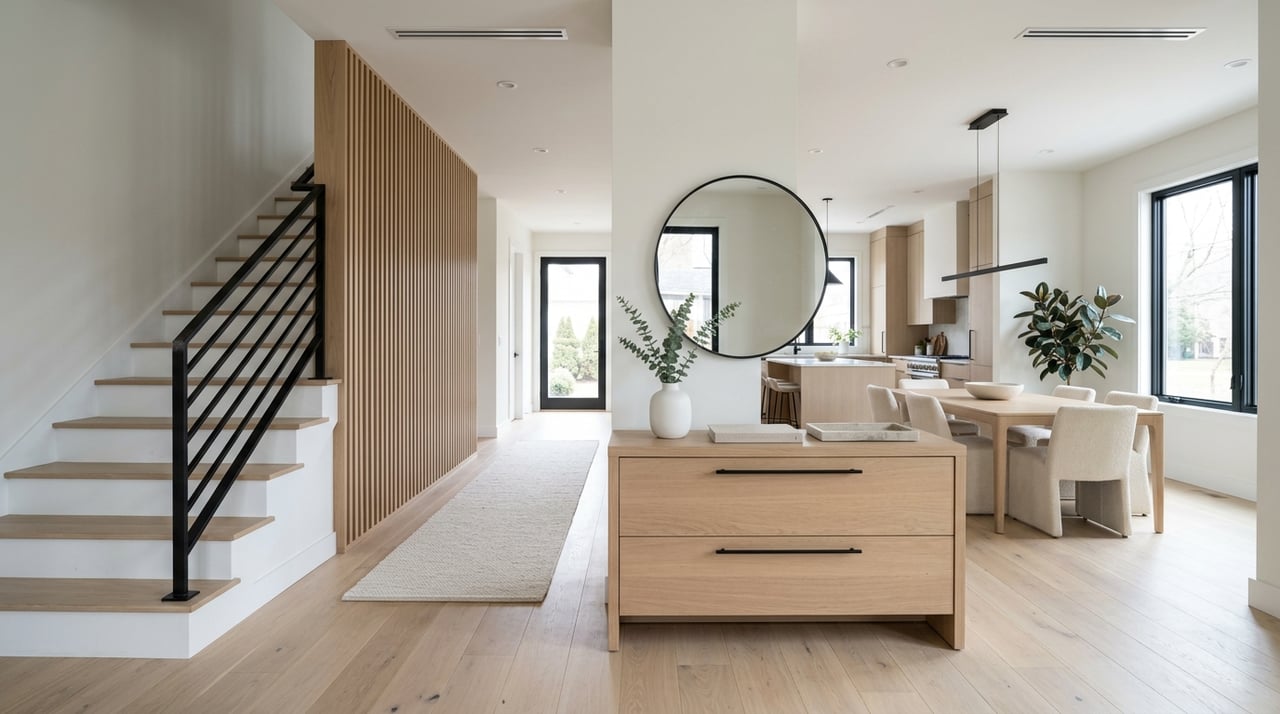
If your Sandy Springs home is hitting the market soon, staging is not just a nice extra. In a market where buyers can compare listings quickly online and homes may sit for more than a month, the way your home looks, feels, and photographs can shape first impressions fast. The good news is that smart staging does not mean turning your house into something it is not. It means helping buyers see the space clearly and confidently. Let’s dive in.
Why staging matters in Sandy Springs
Sandy Springs is a market where details matter. Recent market trackers place median sale prices in roughly the upper $500,000 range, with homes averaging about 42 days on market and sale-to-list ratios just under asking on average. That kind of environment rewards homes that feel move-in ready, well cared for, and easy to understand.
Staging also matters because many buyers start online. Census data shows Sandy Springs households are highly connected, with broad access to computers and broadband. That means your photos, video, and overall presentation often shape a buyer’s opinion before they ever step through the front door.
National staging data supports that reality. In the 2025 NAR staging profile, 60% of buyers’ agents said staging affected most buyers’ view of a home most of the time. Buyers’ agents also said staging helps people visualize the home as their future home, which is one of the biggest hurdles any listing has to clear.
What staging actually does for sellers
At its best, staging helps your home feel more spacious, brighter, and more functional. It removes distractions so buyers focus on the home itself instead of your furniture, clutter, or unused rooms. That is especially important when buyers are comparing several homes in the same price range.
The NAR report also found that staging can support stronger offers and faster sales. Some agents reported offer increases in the 1% to 5% range, and others said staging helped reduce time on market. While every home is different, the takeaway is simple: presentation can influence both pace and price.
For Sandy Springs sellers, this is especially relevant because housing here is not one-size-fits-all. You have established detached homes, newer townhomes, and mixed-use residential options near major corridors and development areas. A thoughtful staging plan should match the style and layout of your specific property.
Start with the staging basics
Before you think about accessories or furniture placement, focus on the fundamentals. According to NAR, the most common seller prep recommendations are decluttering, whole-home cleaning, and curb appeal improvements. Those three steps do a lot of heavy lifting.
Here is where to begin:
- Remove excess furniture that makes rooms feel tight
- Clear countertops, shelves, and entry surfaces
- Pack away personal items like family photos and collections
- Deep clean floors, kitchens, baths, and windows
- Freshen the front entry, porch, and landscaping
- Replace burnt-out light bulbs and check lighting consistency
These basics help every type of Sandy Springs home show better, from a traditional brick two-story to a newer townhome near Perimeter Center.
Focus on the rooms buyers notice most
Not every room carries the same weight. In NAR’s 2025 data, buyers’ agents said the most important rooms to stage were the living room, primary bedroom, and kitchen. That gives sellers a clear priority list.
If you are staging on a tighter budget, start there first. A polished living room, a calm and spacious primary bedroom, and a clean, current-feeling kitchen can elevate the whole listing. Buyers often make broad judgments about the home based on those spaces.
Living room strategies
Your living room should feel open, balanced, and easy to use. Keep seating conversational, leave clear walking paths, and avoid oversized pieces that crowd the room. If the space feels dark or heavy, lighter textiles and simplified decor can help it feel brighter.
In many Sandy Springs homes, the living room sets the tone for the rest of the showing. It is often one of the first spaces buyers see in photos and in person. That is why it deserves extra attention.
Primary bedroom strategies
The primary bedroom should feel restful and generous. Use simple bedding, limited decor, and furniture that fits the scale of the room. The goal is not to impress buyers with style alone, but to help them feel calm and comfortable in the space.
If your bedroom currently functions as storage overflow, home gym space, or office space, now is the time to reset it. Buyers respond better when the room reads clearly as a bedroom.
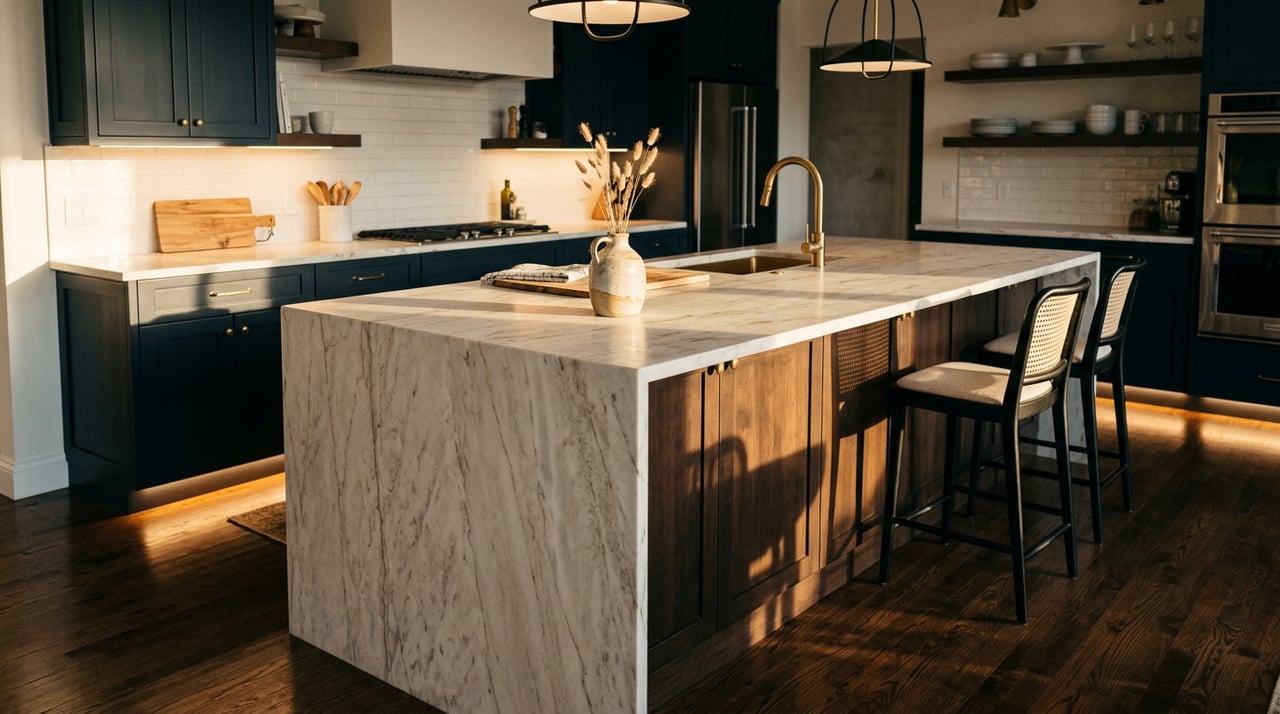
Kitchen strategies
Your kitchen should look clean, efficient, and uncluttered. Clear the counters as much as possible and remove anything that competes with the finishes or limits the sense of workspace. A few simple accents can work, but less is usually more.
In updated Sandy Springs homes, kitchens often serve as a major selling point. In older homes, staging can help buyers focus on layout, light, and usability rather than small distractions.
Staging older Sandy Springs homes
Many Sandy Springs neighborhoods include established single-family homes with more traditional layouts. In these properties, staging usually works best when it makes the home feel lighter, more open, and easier to move through. Buyers should be able to understand the flow from room to room without feeling blocked by heavy furniture or busy decor.
A few smart adjustments often make a big difference:
- Remove bulky pieces that interrupt sightlines
- Simplify window treatments to let in more light
- Use lighter, scaled furniture when rooms feel formal or crowded
- Define each room clearly so no space feels uncertain
- Keep dining and living areas connected visually where possible
Traditional homes often have great bones, but staging helps buyers see them. If the home feels too full or too formal, buyers may underestimate the space.
Staging newer townhomes and open layouts
Newer homes and townhomes in Sandy Springs often need a different approach. Open-concept spaces can look spacious, but they can also confuse buyers if each area is not clearly defined. Staging should show where daily life happens.
This is where rugs, lighting, and furniture placement become strategic. A dining area should read like a dining area. A conversation area should feel intentional. A flex nook should have a clear use.
Define each zone clearly
In open layouts, each section of the main level should tell a simple story. Buyers should instantly understand where they would eat, relax, or work. This helps larger rooms feel functional rather than vague.
Try these zone-setting ideas:
- Anchor a seating area with a rug sized to the furniture grouping
- Use a dining table that matches the scale of the room
- Add lighting that visually separates one zone from another
- Keep pathways open so the layout feels natural and easy
Give flex rooms a purpose
If your home has a loft, bonus room, landing area, or small extra room, stage it with one clear function. NAR found that home office space was staged in 36% of homes, which reflects how important clear-use spaces have become for many buyers.
The key is clarity. One well-defined use is more effective than a room trying to do three things at once.
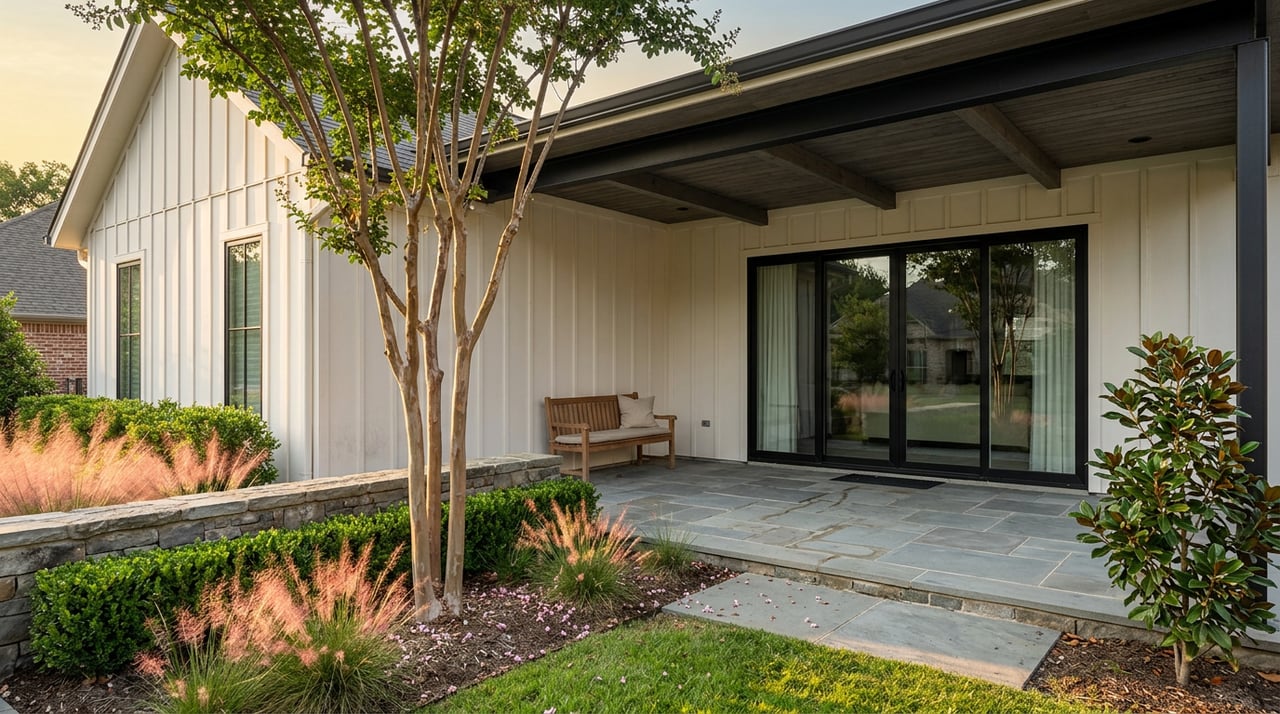
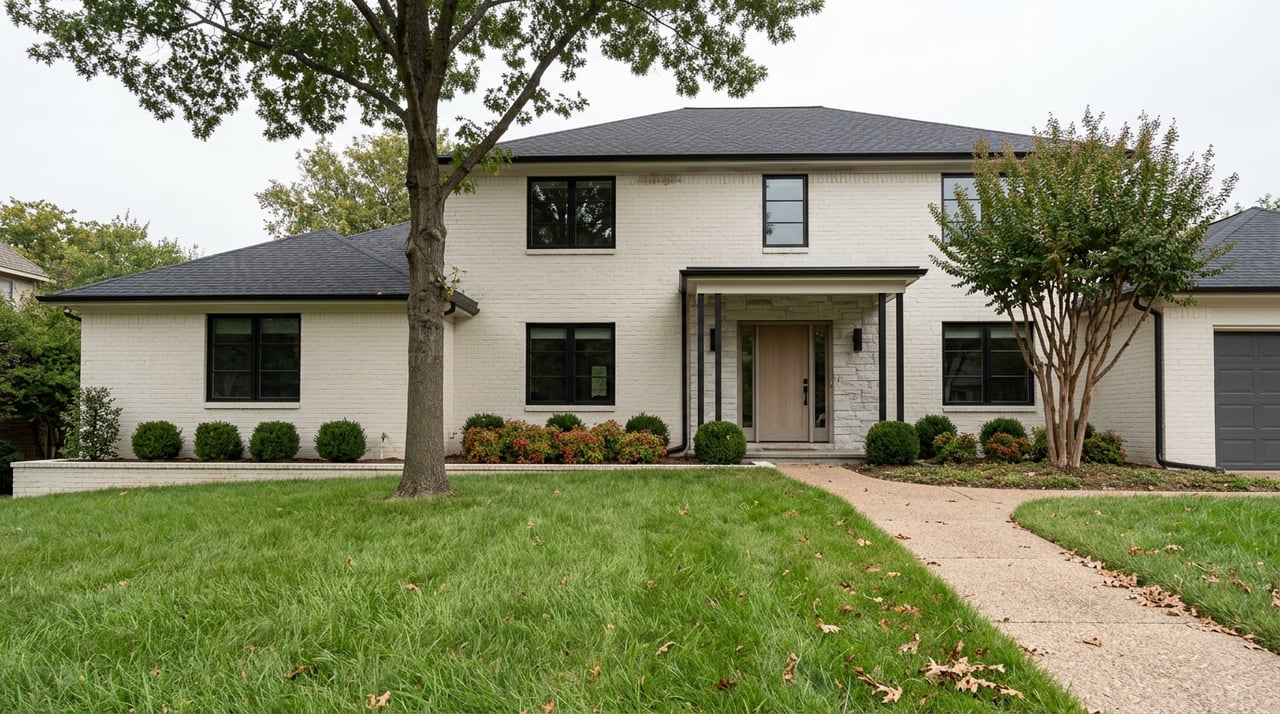
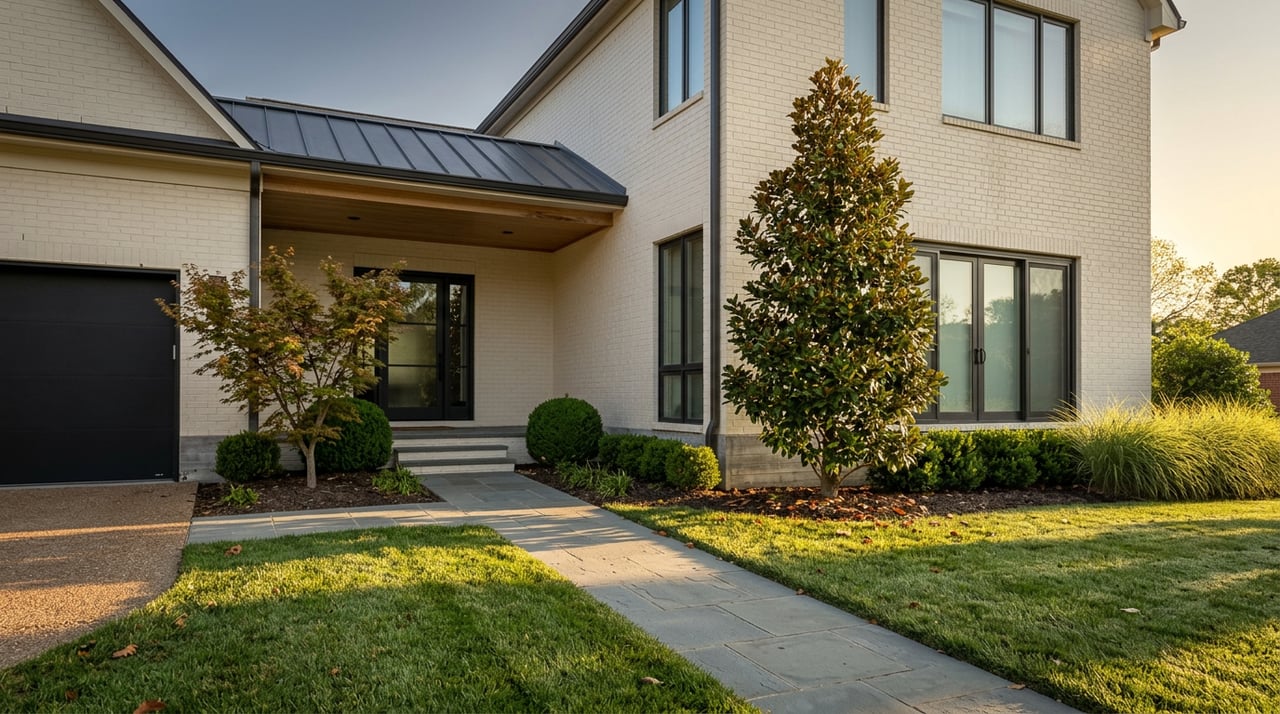
Do not overlook curb appeal
Staging starts before the front door opens. NAR’s seller-prep data puts curb appeal high on the list for a reason. Buyers often form an opinion in seconds, and exterior presentation helps support the quality they hope to find inside.
For Sandy Springs homes, curb appeal does not have to be elaborate. It should simply feel clean, cared for, and welcoming.
A few practical improvements can include:
- Pressure washing walkways and the front entry
- Trimming shrubs and cleaning up beds
- Adding fresh mulch where needed
- Repainting or touching up the front door
- Updating a worn doormat or porch accents
- Making sure house numbers and exterior lighting look neat
Outdoor and yard space were also staged in a meaningful share of listings in the NAR report. If your home has a patio, deck, or backyard area, treat it as usable living space.
Staging for photos and video
In Sandy Springs, digital presentation is part of staging, not a separate step. With such a connected audience, your listing media has real influence. NAR found that photos mattered most to clients, followed by physical staging, videos, and virtual tours.
That means the home should be staged with the camera in mind. What looks fine in person can still read as cluttered or uneven in photos. Strong listing prep supports better photography, and better photography can drive more showings.
Before photo day, make sure you:
- Hide cords, remotes, and countertop appliances
- Open blinds or window treatments for natural light
- Remove pet items, trash bins, and floor clutter
- Straighten pillows, chairs, and bedding
- Keep decor simple and balanced
This is where a design-forward strategy can make a real difference. Small styling choices often help listing media feel more polished and memorable.
How to think about staging budget
Many sellers assume staging has to be expensive, but the cost can vary. NAR reported a median spend of $1,500 when using a staging service and $500 when the seller’s agent personally staged the home. The right approach depends on your home’s condition, layout, price point, and what furniture you already have.
For some homes, light staging and styling may be enough. For others, partial or more involved staging may be worth the investment because it helps the home compete more effectively. What matters most is using your budget where buyers will notice it most.
The best staging plan is tailored
There is no single staging formula that works for every listing in Sandy Springs. A traditional home may need furniture editing and brighter presentation. A newer townhome may need stronger room definition. A home with outdoor space may benefit from simple exterior styling that expands its appeal.
The most effective staging plan is always tied to the home, the likely buyer expectations, and how the property will appear online. When staging is paired with strong photography and thoughtful marketing, it gives your home a better chance to stand out in a competitive field.
If you are preparing to sell in Sandy Springs, the goal is not perfection. It is clarity, comfort, and confidence. For a tailored, design-driven plan to help your home show at its best, connect with Jodi Fink Halpert.
FAQs
What staging strategies work best for older Sandy Springs homes?
- Older Sandy Springs homes often benefit most from decluttering, removing oversized furniture, improving light flow, simplifying window treatments, and creating clear sightlines between rooms.
What rooms should you stage first in a Sandy Springs home?
- The top rooms to prioritize are usually the living room, primary bedroom, and kitchen, since buyers’ agents most often identify those as the most important spaces to stage.
Does staging help Sandy Springs homes sell faster?
- Staging can help reduce time on market by making the home easier for buyers to understand and more appealing in photos and showings, and NAR data shows many agents report faster sales with staged homes.
How should you stage an open-concept Sandy Springs townhome?
- Open-concept townhomes usually show best when each area is clearly defined with scaled furniture, rugs, lighting, and a simple, obvious purpose for any flex space.
Is curb appeal part of staging for Sandy Springs homes?
- Yes, curb appeal is an important part of staging because exterior presentation shapes first impressions and supports the quality buyers expect to see inside.
How much does home staging usually cost before listing?
- NAR reports a median spend of about $1,500 when using a staging service and about $500 when the seller’s agent personally stages the home, though the right budget depends on the property and scope of work.