Short answer: Buyer demand remains strong in Dunwoody and Sandy Springs, but sellers should expect a more selective market where pricing, condition, and presentation can have a bigger impact on days on market.
If you’re thinking about selling a home in Dunwoody or Sandy Springs, one of the most important questions isn’t simply, “Are homes selling?” It’s how quickly should you realistically expect your home to sell?
Recent market data points to a market that is still moving—but not necessarily with the same across-the-board urgency sellers may remember from the most competitive years.
That distinction matters. In a market where buyers have more choices, the homes that are priced correctly and show well can still attract attention quickly. Homes that miss the mark may spend considerably longer waiting for the right buyer.
Dunwoody Homes Are Still Selling Quickly
Recent data provides a useful snapshot of just how active the Dunwoody housing market remains.
According to Redfin’s Dunwoody housing market data, the median sale price was approximately $712,000 and the median home spent about 16 days on the market based on May 2026 data.
Redfin also characterized Dunwoody as a “very competitive” housing market.
Sixteen days is hardly a slow market.
For a Dunwoody homeowner preparing to sell, however, the more useful takeaway is that market-wide statistics are benchmarks—not guarantees for an individual property.
Your home's price range, neighborhood, updates, lot, floor plan, school considerations, presentation, and competition at the exact moment you list can all influence how quickly buyers respond.
What About Sandy Springs?
Sandy Springs sellers should think about the market in much the same way: buyer demand across the North Atlanta area remains meaningful, but buyers can afford to be more discerning when additional inventory gives them alternatives.
A useful comparison comes from Redfin’s North Atlanta housing market data. May 2026 data showed a median sale price of roughly $799,000 and approximately 29 median days on market.
That broader snapshot suggests a market that is active but more measured.
For sellers, this is an important distinction. A property taking three or four weeks to sell does not automatically mean demand has disappeared.
Instead, it can reflect a market moving away from the expectation that nearly every desirable home should generate immediate offers.
The Bigger Atlanta Trend: Fast, but More Normal
The broader Metro Atlanta picture adds context.
The Atlanta Fine Homes Sotheby’s International Realty Q1 2026 market report reported average days on market increasing approximately 4% compared with Q1 2025.
That modest increase matters because it suggests normalization rather than a sudden disappearance of buyers.
In practical terms, the distinction for a seller looks something like this:
Frenzied market: Buyers feel pressure to compromise quickly because they fear another buyer will take the house.
Competitive but more balanced market: Buyers still move quickly for the right home, but they may hesitate when they believe a property is overpriced or when comparable alternatives are available.
Dunwoody and Sandy Springs sellers should prepare for the second scenario rather than automatically expecting the first.
Why Pricing Matters More When Buyers Have Choices
One of the biggest mistakes you can make in a normalizing market is using yesterday's market psychology to set today's asking price.
When almost everything is selling immediately, sellers have greater room for error. Intense competition can sometimes overcome an aggressive list price.
As the market becomes more selective, that cushion shrinks.
Today's buyers can compare your home with competing listings almost instantly. If another property offers similar square footage, location, condition, and amenities at a more compelling price, buyers may simply choose to see that home first.
That means the first couple of weeks on the market are particularly important.
If your Dunwoody or Sandy Springs home launches at a price buyers immediately recognize as reasonable, you maximize your opportunity to capture the largest pool of interested buyers while the listing is fresh.
If you launch noticeably above the market, you risk spending that valuable initial exposure waiting for buyers to validate a price they don't believe the market supports.
Should You Expect Your Home to Sell in 16 Days?
Not necessarily.
A median is a midpoint, not a promise.
Some Dunwoody homes will sell in a matter of days. Others will take several weeks—or longer. Sandy Springs can show similar variation, particularly because its housing stock and price points can vary substantially from one property to another.
Instead of asking, “How many days does the average home take to sell?”, a better question is:
“How quickly are homes like mine selling?”
That requires looking beyond citywide numbers.
Before listing, you want to examine recent comparable properties based on factors such as:
- Neighborhood and micro-location
- Price range
- Square footage and lot size
- Renovation level and overall condition
- Property style and floor plan
- Current competing listings
- Recent pending and closed sales
- Price reductions among comparable homes
That analysis can give you a much more useful estimate of your likely marketing time than a single citywide statistic.
Should You Still Invest in Staging and Preparation?
Yes—and a more selective market arguably makes preparation more important.
When buyers have limited choices, they may overlook dated paint, clutter, deferred maintenance, or mediocre listing photography simply because they need a home.
Give those same buyers several comparable options, and presentation becomes part of the competition.
That doesn't mean you should automatically undertake a major renovation before selling your Dunwoody or Sandy Springs home.
It means your pre-listing investments should be strategic.
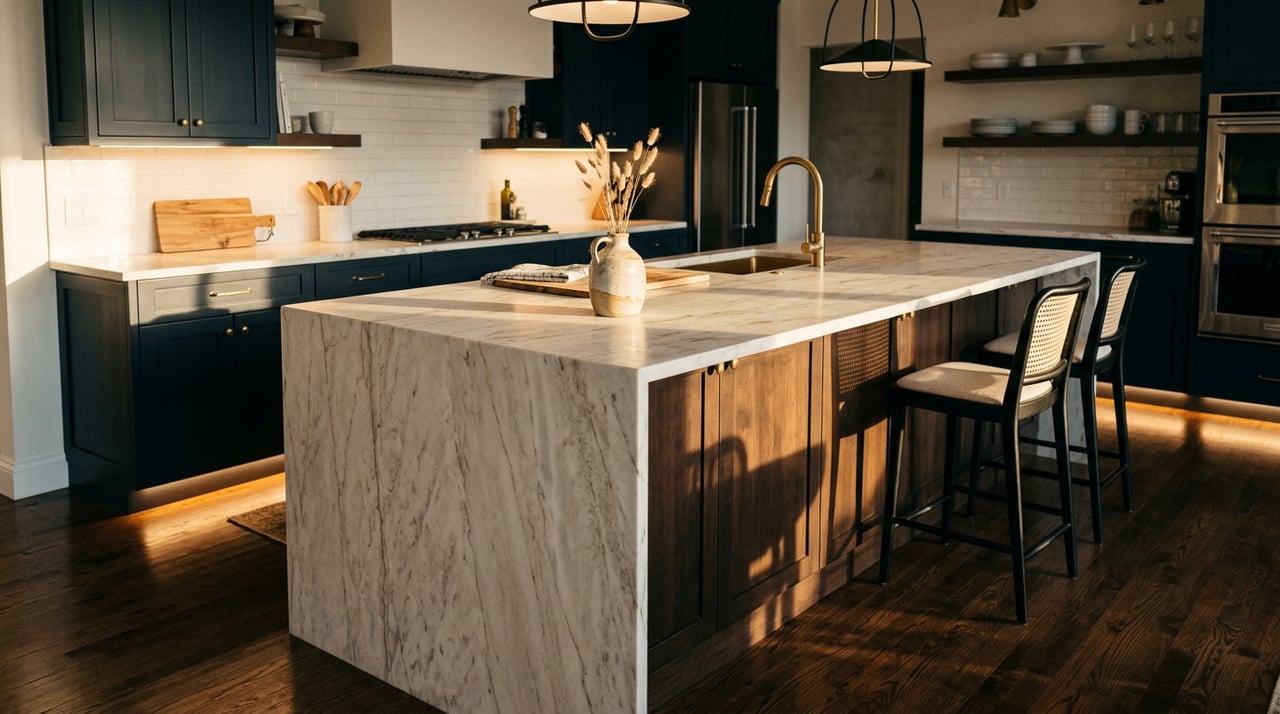
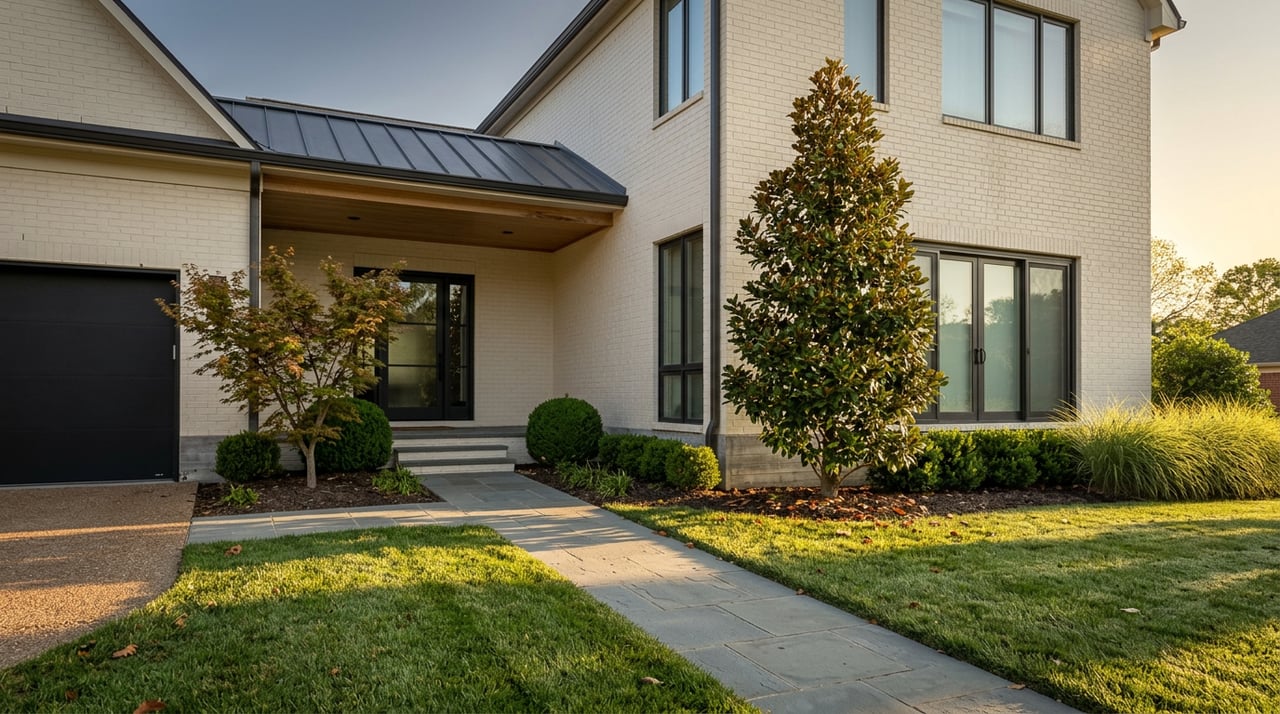
Fresh paint, repairs, landscaping, decluttering, professional photography, thoughtful staging, and other relatively targeted improvements can sometimes have a greater impact on buyer perception than an expensive remodel completed solely for resale.
The objective is to remove unnecessary reasons for a buyer to choose the house down the street instead.
Your First Weeks on the Market Matter
In a market that remains competitive but is becoming more measured, sellers should front-load their marketing strategy.
You don't want to spend the first few weeks experimenting with price, presentation, and photography while your listing accumulates days on market.
Ideally, those decisions happen before the property goes live.
Your launch should coordinate pricing, property preparation, photography, listing copy, online exposure, showing availability, agent outreach, and any appropriate open-house strategy.
The goal isn't simply to get your home listed.
It's to create the strongest possible first impression when buyer attention is typically at its highest.
What If Your Dunwoody or Sandy Springs Home Doesn't Sell Quickly?
A longer marketing period doesn't automatically mean something is wrong with your home.
But it does create information you shouldn't ignore.
If you're receiving plenty of online views but few showings, buyers may not see enough value to visit in person.
If you're receiving showings but no serious offers, feedback about price, condition, layout, or competition becomes especially important.
And if competing homes are going under contract while yours remains available, you should reassess how buyers are positioning your property against those alternatives.
The key is to respond to market feedback rather than simply waiting for the market to prove your original assumptions correct.
So, Has Buyer Demand in Dunwoody and Sandy Springs Cooled?
The better description is normalized.
Recent data does not suggest that Dunwoody suddenly became a slow housing market. A 16-day median market time in May 2026 and Redfin's “very competitive” designation point in the opposite direction.
At the same time, broader North Atlanta and Metro Atlanta indicators show why sellers shouldn't assume every home will fly off the market.
The market can be competitive and selective at the same time.
For sellers, that means your strategy matters.
A well-positioned Dunwoody or Sandy Springs home can still generate strong buyer attention. But as buyers gain more choices, accurate pricing, compelling presentation, and a strong launch become increasingly important to determining whether your home is one of the listings that sells quickly—or one that sits.
Frequently Asked Questions
Is Dunwoody still a seller's market in 2026?
Recent market data indicates that Dunwoody remains highly competitive, with Redfin reporting a median of approximately 16 days on market based on May 2026 data. Conditions can vary significantly by neighborhood, price point, and property type, so sellers should evaluate comparable homes before assuming the citywide number will apply to their property.
How long should it take to sell a home in Sandy Springs?
There isn't one reliable number for every Sandy Springs property. Your price point, location, condition, competing inventory, and pricing strategy can materially affect your timeline. Looking at recent comparable sales and pending listings is more useful than relying solely on a Metro Atlanta average.
Should I price high and reduce later if necessary?
That strategy carries more risk when buyers have additional choices. Your strongest exposure often occurs soon after your home hits the market, so an unrealistic initial price can reduce activity during an important marketing window.
Do I need to renovate before selling?
Not necessarily. Strategic repairs, paint, decluttering, landscaping, staging, and professional presentation may offer a better pre-sale strategy than undertaking a major renovation solely to list the home.
Thinking About Selling in Dunwoody or Sandy Springs?
If you're considering selling a home in Dunwoody or Sandy Springs, citywide statistics are a useful starting point—but they don't tell you what your property is likely to do.
The next step is to look at the homes competing directly with yours, recent comparable sales, current inventory, and buyer activity in your specific price range.
A property-specific pricing and market analysis can help you decide how much preparation makes sense, where to position your asking price, and what kind of timeline you should realistically expect.