Pull up Peachtree Corners on four different real estate sites this month and you will get four different answers to the same question. Zillow's home value index puts the typical home at $524,030 in 2026. Redfin has the median sale price at $580,000 over the three months ending May 2026. Movoto reported a median of $602,900 for April 2026. A fourth tracker had the trailing 30-day median at $583,333, up 3.5 percent year over year. None of these numbers are wrong. They are measuring a city that is no longer selling one kind of house.
Peachtree Corners has spent the last several years running two housing markets under one name, and the gap between them is wide enough to explain most of the confusion a buyer runs into before they have even scheduled a showing.
A City Built Twice
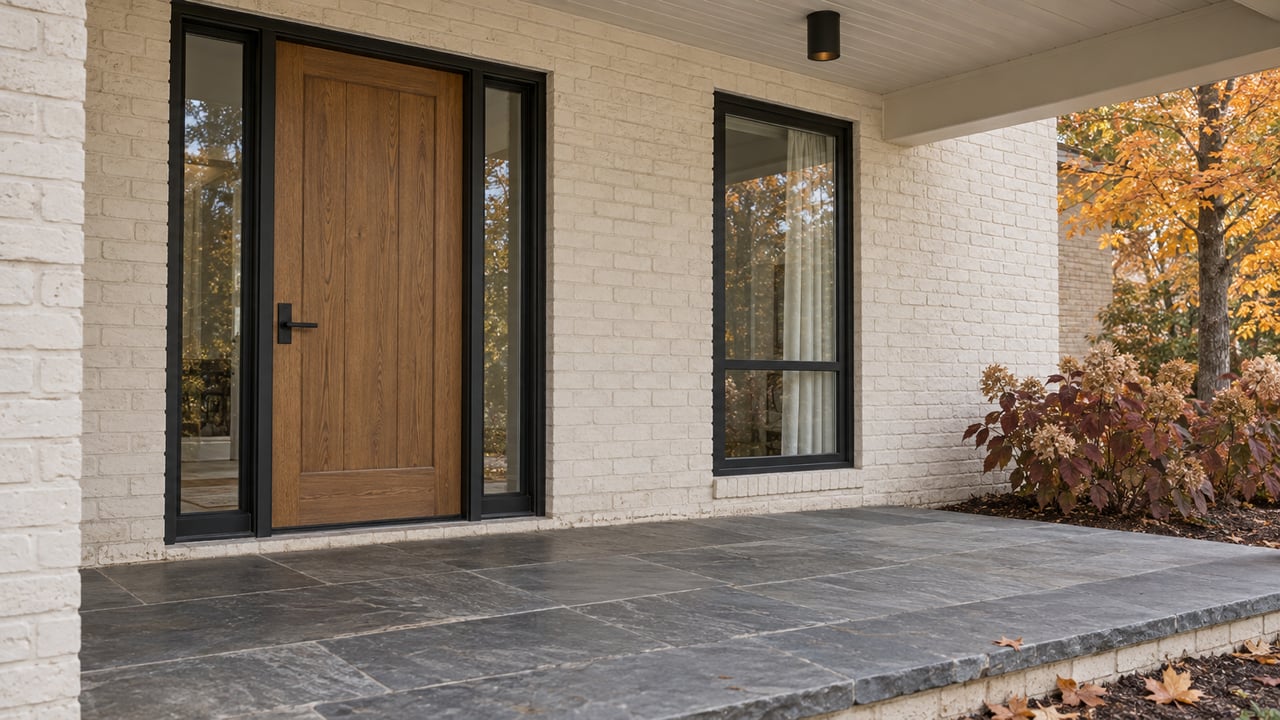
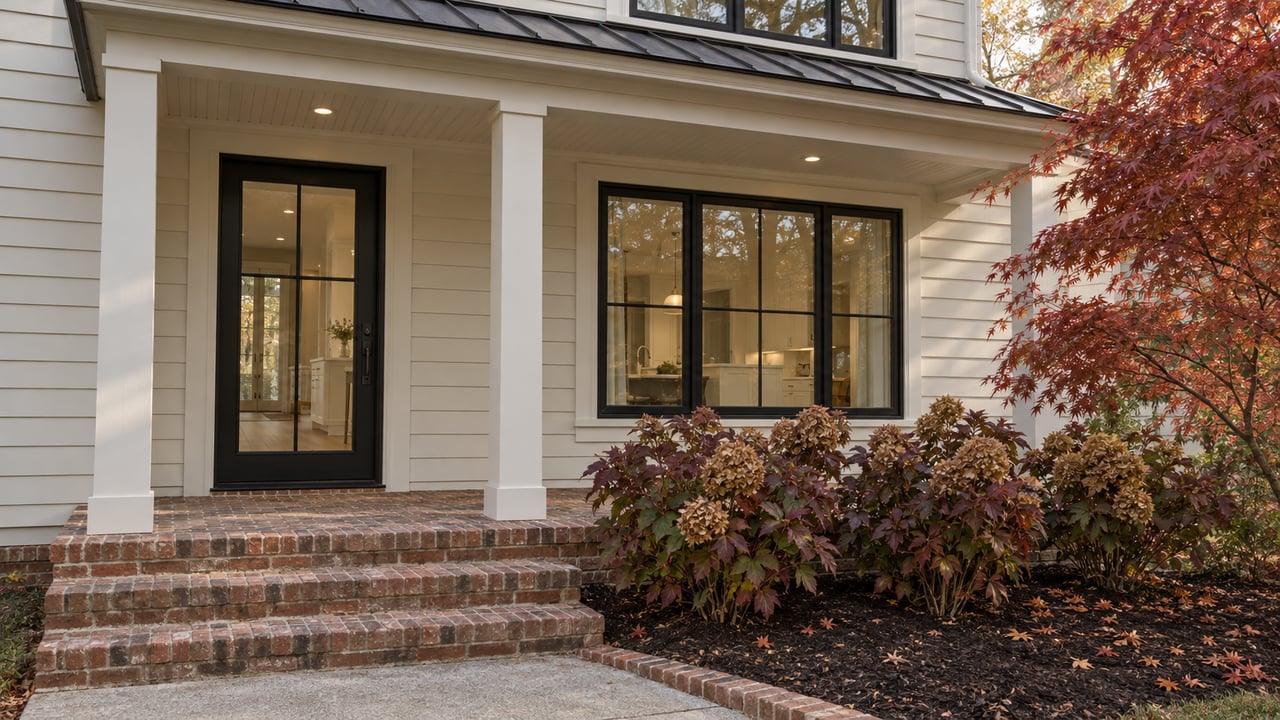
The first Peachtree Corners is the one most people picture: half-acre lots, swim and tennis neighborhoods, brick colonials and cape cods built between the 1970s and the early 1990s. North Manor, Linfield, Amberfield, and Neely Farm sit in this category. These are subdivisions with established HOAs, mature trees, and school zones that predate the city's incorporation.
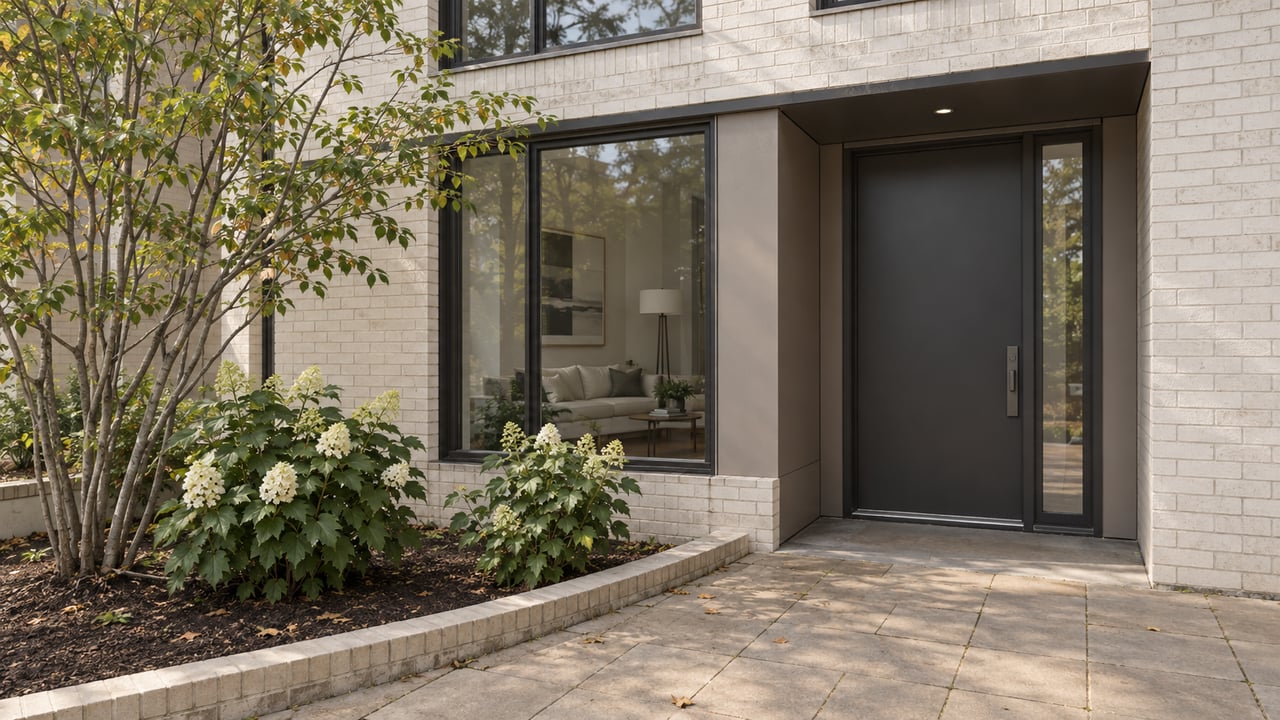
The second Peachtree Corners is Technology Park, the 500-acre office campus that businessman Paul Duke built starting in the 1960s as Georgia's first planned tech hub. For decades it was purely commercial. That changed when Alliance Residential opened Broadstone Peachtree Corners in early 2024, a partially adaptive-reuse project on just over 9 acres that delivered 295 apartments, 26 townhomes, and 20 office suites inside what used to be office park land. The company followed that with Broadstone Innovation, a 326-unit Class A development at 20 Innovation Drive on 10.7 newly acquired acres. A third project, the Spalding Site Partnership's roughly 250-unit proposal on 9.6 acres, went before Peachtree Corners' mayor and council for a second reading and public hearing on April 28, 2026.
These are not condo conversions of old subdivisions. They are ground-up multifamily buildings rising inside a zoning and land-use context that was never meant to be residential in the first place, next to the same Curiosity Lab test track where companies like Bosch, Cisco, and Georgia Power pilot autonomous vehicle technology.
What a Legacy Dollar Buys
In Amberfield, the largest of the so-called Fields Club neighborhoods with 450 homes, the average price runs around $670,000 for four to six bedroom houses on lots big enough for a pool and a fire pit. Linfield, built mostly in the early 1990s next to Simpson Elementary and Jones Bridge Park, averages closer to $618,000 for similarly sized homes with vaulted ceilings and finished terrace levels. North Manor homes near Jones Bridge Circle run smaller, typically 1,800 to 2,300 square feet on close to half-acre lots, often without an HOA at all.
Buying into any of these neighborhoods means buying land, an established community pool or tennis club, and a house that has usually been through at least one round of kitchen and bath renovation by the time it resells. The 30092 zip code, which covers much of this legacy housing stock, posted a median sale price of $716,000 in a recent month, up nearly 19 percent year over year, according to Redfin's neighborhood-level tracking. That kind of jump in a single zip code is a sign of how thin the pool of comparable legacy sales has become.
What a Tech Park Dollar Buys
A unit inside Technology Park buys something categorically different. Broadstone Innovation's floor plans, according to Urbanize Atlanta's reporting on the project, range from 600-square-foot junior one-bedrooms up to 1,100-square-foot two-bedrooms, with amenities pitched at a younger professional renter or buyer: an infrared salt sauna, red-light therapy pods, a resort-style pool, and a dog park. The planning conditions attached to this corner of the city show how new this kind of project still is to the local playbook. In earlier rezoning work on a nearby Technology Park parcel known as Sun Court, council required ground-floor retail, completion of the developer's segment of a multiuse trail before any resident moves in, and a financial contribution toward a pedestrian crossing on Spalding Drive. Those same obligations have become the template other Technology Park housing proposals, including Spalding Site Partnership's, are now expected to follow.
There is no yard here and no half-acre lot. What you get instead is proximity: walking distance to The Forum's shops and restaurants, a short walk or drive to Curiosity Lab's employers, and new construction with warranties instead of a renovation history to research.
One detail cuts across both sides of this market and is worth knowing before you start comparing dollar figures: Curiosity Lab says Peachtree Corners carries no city property tax. It is the second-largest municipality in Georgia to operate without one, an arrangement the city credits to the economic activity Technology Park and Curiosity Lab generate. That means the price gap between a 1980s North Manor rancher and a brand-new Broadstone Innovation unit reflects lot size, construction age, and building type, not a difference in municipal tax burden. Whichever side of the market you are shopping, that overhead line stays the same.
The Infrastructure Deciding Whether These Two Sides Merge
Right now these two Peachtree Corners function largely as separate submarkets, connected by road but not much else. Two projects at different stages in 2026 are aimed at closing that gap.
The city held a public open house on January 8, 2026 to gather input on the Crooked Creek Trail, a planned shared-use path with a main segment plus spurs and loops running from Spalding Drive down toward Peachtree Corners Circle. If it gets built as scoped, it would give Technology Park residents a walking and biking connection into the older subdivisions on the other side of the corridor for the first time, rather than requiring a car trip on Peachtree Industrial Boulevard.
That same corridor is getting a separate upgrade in 2026: the widening of Peachtree Industrial Boulevard between Holcomb Bridge Road and Medlock Bridge Road, which adds a northbound travel lane and improves intersections at Technology Parkway and near Paul Duke STEM High School. Sidewalks, median islands, and drainage upgrades are part of the scope, with completion targeted for this year. Together, the trail and the road project are the two pieces of public infrastructure that will determine whether Technology Park's new residents start showing up at the same Town Green concerts and Amberfield swim meets as their legacy-subdivision neighbors, or whether the two halves of Peachtree Corners keep operating on separate clocks.
What This Means If You're Comparing Peachtree Corners to Somewhere Else
If you are cross-shopping Peachtree Corners against another North Metro suburb using a single median price, you are comparing an average of two products that do not behave the same way. A month with several Broadstone-style closings will pull the reported median down. A month dominated by Amberfield and Linfield resales will pull it up. Neither number is a lie. Neither one describes the market you will actually walk into without knowing which side of Technology Park's fence you are shopping on.
The practical move is to ask which submarket a listing sits in before comparing its price to anything else you have seen. A $580,000 townhome inside Technology Park and a $580,000 cape cod in North Manor are not competing for the same buyer, even though a portal's median will average them together as if they were.
Frequently Asked Questions
Is Technology Park zoned for the housing being built there? Each project has gone through its own rezoning or conditional-use process rather than a blanket residential rezoning of the park. The Spalding Site Partnership's proposal, for example, required a second reading and public hearing before the mayor and council in April 2026, with conditions attached specifically because the underlying land was not originally platted for multifamily use.
Will home prices in the legacy subdivisions be affected by the new Technology Park housing? There is no data yet showing a direct price effect in either direction. The two products serve different buyers and sit in different parts of the city, and the connective infrastructure that would bring them into closer daily contact, the Crooked Creek Trail and the Peachtree Industrial Boulevard widening, is still in progress as of 2026.
Which schools serve the legacy neighborhoods versus the Technology Park developments? Linfield and North Manor are zoned to Simpson Elementary, feeding into Pinckneyville Middle School and typically Norcross High School or Paul Duke STEM High School. Buyers should confirm current attendance zones directly with Gwinnett County Public Schools, since boundaries can shift as new residential density comes online.
If you are trying to figure out which side of Peachtree Corners actually fits what you are looking for, or how a listing here stacks up against comparable homes in Alpharetta, Johns Creek, or Dunwoody, Jodi Halpert can walk you through the comparison with the specific neighborhoods and closings in mind, not just the number a portal happens to show you that day.
This article is general information, not legal, tax or financial advice. Consult a qualified professional about your situation.